
2nd Edition of Preventive Medicine World Conference 2026
Speakers - 2025
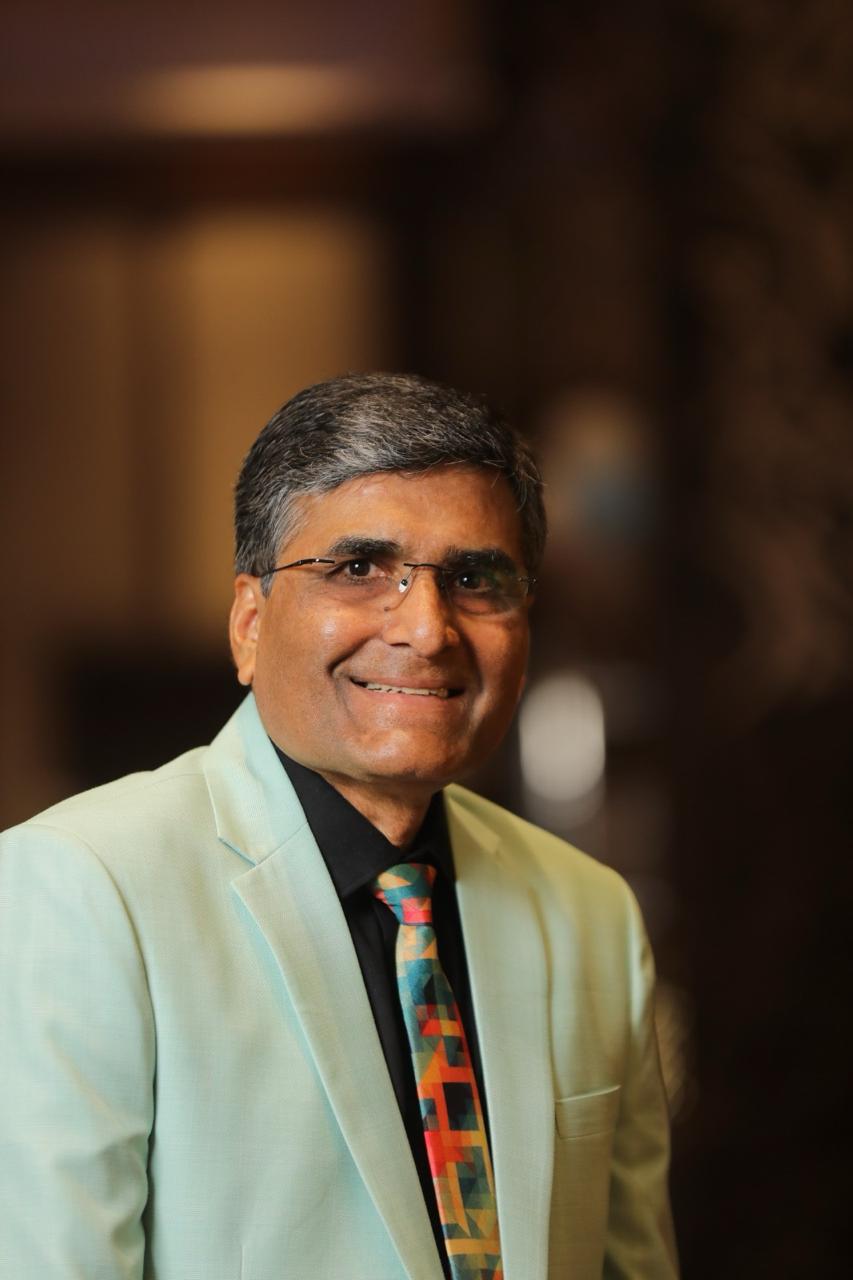
Laxmikant Rathi
Laxmikant Rathi
- Designation: Director, Govardhan Hospital
- Country: India
- Title: From Curing the Problem to Curing the Person
Abstract
The evolving landscape of modern healthcare demands a paradigm shift from the traditional biomedical model, which focuses on diagnosing and treating isolated symptoms or diseases, to a more holistic, person-centered approach. "From Curing the Problem to Curing the Person" emphasizes the necessity of viewing patients not merely as carriers of disease but as whole individuals shaped by complex interactions of biological, psychological, social, and spiritual dimensions. While curing the problem addresses the immediate physiological condition, curing the person involves a deeper understanding of the patient’s lived experiences, values, cultural background, and emotional well-being.
This shift is particularly significant in mental health, where healing cannot be limited to the remission of symptoms but must extend to enhancing quality of life, restoring personal meaning, and fostering resilience. Integrative models of care—blending clinical interventions with counseling, lifestyle changes, community support, and sometimes spiritual guidance—are proving essential for sustained recovery. The approach also strengthens the therapeutic alliance, encourages patient participation, and reduces the risk of relapse by addressing root causes and systemic influences rather than just superficial outcomes.
By prioritizing empathy, dignity, and empowerment, the healthcare system can evolve from a reactive problem-solving institution to a proactive promoter of overall human well-being. This abstract calls for a redefinition of healing as not just the absence of disease, but the presence of purpose, connection, and wholeness in the life of every individual.
Join us at 2nd Edition of Preventive Medicine World Conference (PRMWC) 2026 in Bangkok, Thailand as we bring together leading health p ...
Read More>>
Organizer
